
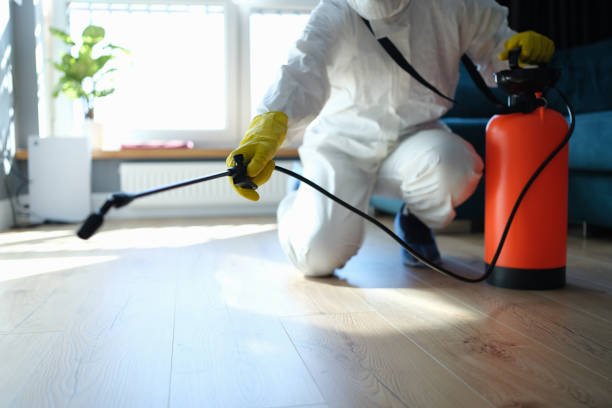
For many homeowners, termites only become a concern once visible damage starts to appear. Unfortunately, by that stage, the problem is often already extensive. Taking a proactive approach instead of waiting for signs of damage can make a significant difference in protecting a property. Understanding early indicators and implementing preventative measures are key steps in maintaining a home’s structural integrity and avoiding costly repairs.
- Shifting from Reaction to Prevention
One of the most effective ways to manage termites is by focusing on prevention rather than cure. Instead of reacting to an active infestation, a planned strategy works to stop termites before they establish themselves. A professional home termite treatment Ipswich service creates a protective barrier around the property, targeting areas where termites are most likely to enter. This approach not only deals with existing activity but also discourages future colonies from settling nearby. Compared to temporary, do-it-yourself solutions, this long-term method offers greater reliability and peace of mind.
- Recognizing the Hidden Indicators
Termites are often referred to as “silent destroyers” because they can cause significant damage without being noticed. They typically remain hidden within walls, floors, or underground tunnels, making early detection challenging. However, there are subtle warning signs to watch for. Mud tubes along walls or foundations, hollow-sounding timber, and small piles of pellet-like material are all indicators of potential activity. Identifying these early signs and acting quickly can prevent the issue from escalating. Scheduling a professional inspection when these signs appear ensures that problems are addressed before they worsen.
- The Role of Moisture and Wood Management
Environmental conditions play a major role in attracting termites. Moisture, in particular, creates ideal conditions for their survival. Leaking pipes, poor drainage, and inadequate ventilation can all contribute to damp areas that draw termites closer to the structure. Simple maintenance tasks, such as fixing leaks, improving airflow, and directing water away from the foundation, can significantly reduce risk. Additionally, keeping firewood, timber, and organic debris away from the home removes potential food sources. When combined with a home termite treatment in Ipswich plan, these efforts create a completer and more effective defense.
- Safeguarding Structural Integrity
Termites feed on materials that contain cellulose, including timber used in structural components of a home. Over time, this feeding weakens critical elements such as beams, flooring, and wall supports. The damage may not be immediately visible, but it can compromise the safety and stability of the entire structure. Repairing termite damage is often expensive and time-consuming, which is why prevention is always the better option. Regular inspections and timely treatments help protect the home from long-term deterioration and preserve its value.
- The Value of Professional Assessment
While there are many products available for homeowners, professional expertise provides a clear advantage. Specialists conduct detailed inspections, identify the specific type of termite involved, and apply targeted solutions based on the situation. Different species require different treatment methods, and a tailored approach ensures better results. A properly executed home termite treatment in Ipswich strategy not only resolves current issues but also strengthens the property against future infestations.
In the end, protecting a home from termites requires consistent effort and informed decision-making. By staying proactive and addressing risks early, homeowners can maintain a safe, secure, and damage-free living environment for years to come.